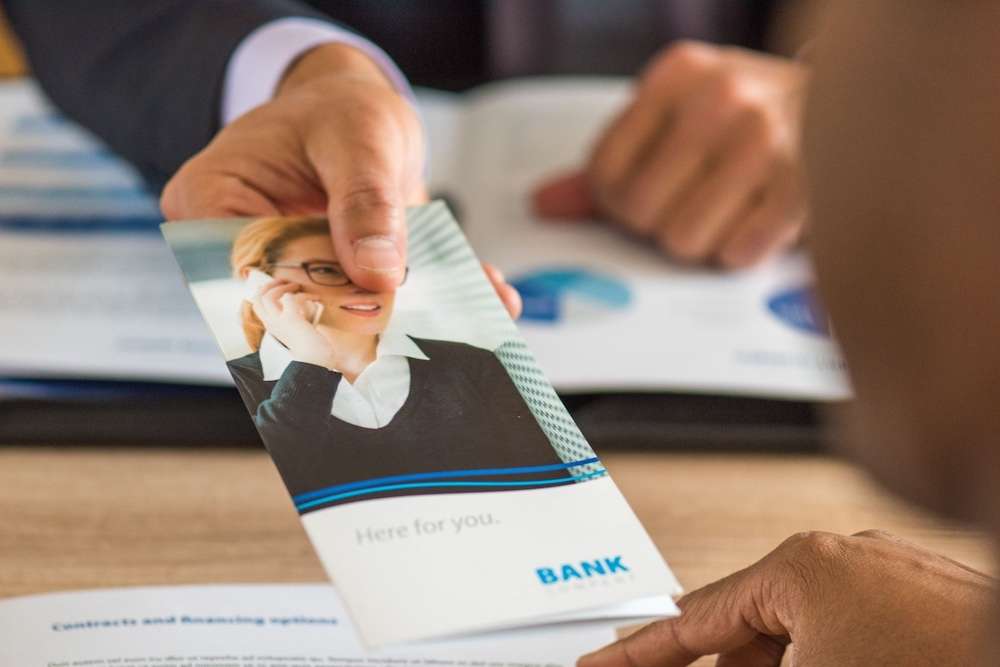
Print marketing has heard its own obituary more times than we can count.
Every few years, someone declares it dead. Too slow. Too expensive. Too difficult to measure. Too old-school for a digital-first world.
And yet, the brands doing print well are not using it because they missed the memo. They are using it because they understand something important: print earns attention differently.
A printed piece does not behave like a social ad, an email, or a landing page. It does not disappear after a scroll. It does not rely on a split-second impression. It takes up physical space. It can be held, kept, shared, displayed, revisited, or passed along.
That does not mean all print marketing works. Plenty of it does not.
A forgettable brochure is still forgettable. A mailer without a clear audience is still noise. A beautiful magazine without strategy is still just a nice object.
The better question is not whether print marketing is still effective.
The better question is: what kind of print marketing works now?
Print still works when it is built with intention.
That means it needs more than good paper, strong photography, or polished design. It needs a reason to exist. It needs to know who it is for, where it will live, what role it plays in the larger brand experience, and what someone should feel, understand, or do after spending time with it.
Modern print marketing works best when it is:
Strategically planned
Designed for a specific audience
Connected to a larger campaign or brand ecosystem
Useful, inspiring, or desirable enough to keep
Distributed in the right physical environment
Supported by digital, social, email, events, partnerships, or sales activity
Print should not be used simply because it feels premium. It should be used because it can do something the rest of the campaign cannot do as well.
Sometimes that means creating trust.
Sometimes it means giving a complex story more room to breathe.
Sometimes it means creating a physical expression of a brand, destination, organization, or idea.
And sometimes it means giving people something worth returning to after the moment of first contact has passed.
One of the biggest mistakes brands make is treating print and digital as opposing forces.
They are not.
Print and digital do different jobs. The strongest campaigns often use both, with each medium supporting the other.
Digital is excellent for reach, speed, targeting, optimization, response, and repetition. It can move quickly, test messages, track behaviour, and drive immediate action.
Print creates a different kind of relationship. It can slow people down. It can create a sense of permanence. It can carry a more layered story. It can show up in environments where digital is not the most meaningful touchpoint.
A custom magazine in a hotel room.
Designed for a specific audience.
A destination guide at a visitor centre.
A printed lookbook in a retail space.
A branded publication at an event.
A high-quality direct mail piece sent to a carefully selected audience.
A campaign insert designed to be saved, not skimmed.
These pieces do not replace digital. They deepen it.
A strong print campaign might drive readers to a website, booking page, video, newsletter, social channel, sales team, event, or QR-enabled experience. A digital campaign might amplify the print piece, extend its reach, and turn one physical asset into a larger content ecosystem.
Print can create depth. Digital can create momentum. Together, they can make a brand feel more complete.
Part of print’s renewed value comes from contrast.
We live in an environment of constant digital motion. Feeds refresh. Ads follow. Emails stack up. Tabs multiply. Content is everywhere, which means attention is harder to earn and easier to lose.
Print interrupts that pattern by changing the pace.
It gives the reader a different experience. One that is tactile, slower, and more deliberate. That physicality matters, especially for brands that depend on trust, atmosphere, emotion, or desire.
For certain industries, this can be especially powerful.
Tourism brands are not just selling information. They are helping people imagine themselves in a place.
Hospitality brands are not just selling rooms. They are selling a feeling.
Wellness brands are not just selling services. They are selling care, intention, and transformation.
Real estate, retail, cultural organizations, and lifestyle brands often face a similar challenge. They need more than a click. They need context. They need mood. They need time.
Print gives those stories room.
The strongest print marketing today does not feel like advertising dressed up in nicer paper.
It feels like something made for the reader.
That is where editorial thinking becomes essential.
A brand magazine, custom publication, destination guide, or printed campaign should not simply ask, “What do we want to say?”
It should ask:
What would our audience actually want to read, keep, or use?
What story can we tell that gives our brand more meaning?
What context does someone need before they are ready to act?
What physical environment will this piece live in?
How can this printed piece create value beyond promotion?
This is the shift from print as collateral to print as tangible media.
Collateral often exists to support a sales message. Tangible media exists to create a brand experience.
That distinction matters.
A brochure says, “Here is what we offer.”
A magazine says, “Here is the world we understand.”
A guide says, “Here is how to experience this more fully.”
A lookbook says, “Here is what this brand feels like in real life.”
A well-built print piece does not just communicate information. It creates a point of connection.
The most effective print pieces tend to share a few qualities:
They have a clear audience.
They know exactly who they are speaking to and why that person would care. They are not trying to reach everyone. They are designed for a specific reader, customer, guest, visitor, partner, donor, or decision-maker.
They have a strong editorial idea.
The piece is not just a container for brand messages. It has a concept, a point of view, or a useful reason for existing.
They are well designed.
Design is not decoration. It shapes how people move through the piece, what they notice, how long they stay, and how the brand is perceived.
They are distributed intentionally.
Print cannot do its job if it does not reach the right people in the right place. Distribution is not an afterthought. It is part of the strategy.
They connect to a next step.
A strong print piece may be beautiful, but it should also know where it is leading the reader. That could be a booking, inquiry, store visit, event, sign-up, donation, purchase, social follow, or deeper brand relationship.
They feel aligned with the brand.
Print has a way of revealing whether a brand’s story is clear. When the message, design, paper, photography, writing, and distribution all work together, the brand feels more intentional.
Print can be valuable across many sectors, but it is especially effective when a brand has a story that benefits from depth, trust, or atmosphere.
That includes:
Tourism and destination marketing
Hotels, resorts, spas, and wellness brands
Real estate and lifestyle developments
Cultural organizations and festivals
Premium retail and product brands
Food, beverage, and culinary experiences
Community and economic development campaigns
B2B brands with complex or high-consideration sales
Fundraising and donor engagement campaigns
Events, launches, and sponsorship programs
In these contexts, the goal is often not just instant conversion. It is to shape perception, build affinity, create desire, and stay present beyond a single impression.
Print can help do that beautifully.
Print does not work simply because it exists. It fails when brands treat it as an isolated tactic, rather than part of a strategy.
Common mistakes include:
Creating a print piece without a clear audience
Designing before defining the story
Trying to say too much at once
Treating print as a dumping ground for information
Forgetting about distribution until the end
Making something promotional instead of useful
Failing to connect print to digital channels
Measuring success only by immediate response
Investing in production quality without investing in strategy
The result is often a piece that looks fine but does not do much.
Modern print needs more discipline than that. It needs the same strategic rigour as any other campaign channel.
Print may be a strong fit if your brand needs to create a more memorable, tactile, or trust-building experience.
It may be especially worth considering if:
Your audience encounters your brand in physical spaces
Your story needs more room than an ad or landing page can offer
Your brand benefits from atmosphere, emotion, or visual storytelling
You want to support a launch, event, campaign, or seasonal push
You have strong photography, editorial content, or partner stories
You can distribute the piece intentionally
You want to connect print to digital, social, email, or sales activity
You want people to spend more time with your brand
Print may not be the right move if you do not have a clear audience, a distribution plan, a strong concept, or the willingness to make the piece genuinely useful.
Because print asks something of the reader. It asks them to pick it up, open it, and spend time with it.
The brand’s job is to make that time worthwhile.
Yes, but it needs to be measured thoughtfully.
Print does not always behave like a digital ad, and that is part of its value. Its impact may show up through a mix of direct response, influenced behaviour, brand perception, partner value, sales conversations, web traffic, QR scans, inquiries, event engagement, bookings, retail visits, or longer-term relationship building.
Measurement might include:
QR code scans
Custom URLs or landing pages
Offer codes
Inquiry forms
Website traffic lifts during distribution periods
Partner feedback
Sales team feedback
Event engagement
Retail or visitor centre pickup rates
Reader surveys
Social amplification
Sponsorship or advertiser outcomes
The key is to decide what print is meant to do before it is created.
If the purpose is direct response, measure response.
If the purpose is awareness, measure reach and engagement.
If the purpose is trust, partnership, or sales enablement, measure the signals that reflect those goals.
Not everything meaningful is instant. But meaningful things can still be measured.
Print is no longer the default.
That may actually be what makes it interesting.
When everything is digital, physical media can feel more deliberate. More considered. More premium. More memorable.
But only if it earns that role.
The future of print marketing is not about nostalgia. It is not about going back to the way things were. It is about using print with more intention, more creativity, and a clearer understanding of how people move between physical and digital experiences.
A printed magazine can become a content engine.
A guide can become a campaign platform.
A lookbook can become a sales tool.
A direct mail piece can become a highly targeted brand introduction.
A custom publication can become a partnership asset, a storytelling vehicle, and a tangible expression of a brand’s values.
Print is not dead. Disposable print is.
So, is print marketing still effective?
Yes, when it is strategic, useful, beautifully made, and connected to a larger brand story.
No, when it is treated as an afterthought, a vanity piece, or a pile of paper with no clear purpose.
The best print marketing today gives people a reason to slow down. It creates something worth holding onto. It helps a brand show up with more depth, texture, and staying power.
Print marketing has heard its own obituary more times than we can count.
Every few years, someone declares it dead. Too slow. Too expensive. Too difficult to measure. Too old-school for a digital-first world.
And yet, the brands doing print well are not using it because they missed the memo. They are using it because they understand something important: print earns attention differently.
A printed piece does not behave like a social ad, an email, or a landing page. It does not disappear after a scroll. It does not rely on a split-second impression. It takes up physical space. It can be held, kept, shared, displayed, revisited, or passed along.
That does not mean all print marketing works. Plenty of it does not.
A forgettable brochure is still forgettable. A mailer without a clear audience is still noise. A beautiful magazine without strategy is still just a nice object.
The better question is not whether print marketing is still effective.
The better question is: what kind of print marketing works now?
Print still works when it is built with intention.
That means it needs more than good paper, strong photography, or polished design. It needs a reason to exist. It needs to know who it is for, where it will live, what role it plays in the larger brand experience, and what someone should feel, understand, or do after spending time with it.
Modern print marketing works best when it is:
Strategically planned
Designed for a specific audience
Connected to a larger campaign or brand ecosystem
Useful, inspiring, or desirable enough to keep
Distributed in the right physical environment
Supported by digital, social, email, events, partnerships, or sales activity
Print should not be used simply because it feels premium. It should be used because it can do something the rest of the campaign cannot do as well.
Sometimes that means creating trust.
Sometimes it means giving a complex story more room to breathe.
Sometimes it means creating a physical expression of a brand, destination, organization, or idea.
And sometimes it means giving people something worth returning to after the moment of first contact has passed.
One of the biggest mistakes brands make is treating print and digital as opposing forces.
They are not.
Print and digital do different jobs. The strongest campaigns often use both, with each medium supporting the other.
Digital is excellent for reach, speed, targeting, optimization, response, and repetition. It can move quickly, test messages, track behaviour, and drive immediate action.
Print creates a different kind of relationship. It can slow people down. It can create a sense of permanence. It can carry a more layered story. It can show up in environments where digital is not the most meaningful touchpoint.
A custom magazine in a hotel room.
Designed for a specific audience.
A destination guide at a visitor centre.
A printed lookbook in a retail space.
A branded publication at an event.
A high-quality direct mail piece sent to a carefully selected audience.
A campaign insert designed to be saved, not skimmed.
These pieces do not replace digital. They deepen it.
A strong print campaign might drive readers to a website, booking page, video, newsletter, social channel, sales team, event, or QR-enabled experience. A digital campaign might amplify the print piece, extend its reach, and turn one physical asset into a larger content ecosystem.
Print can create depth. Digital can create momentum. Together, they can make a brand feel more complete.
Part of print’s renewed value comes from contrast.
We live in an environment of constant digital motion. Feeds refresh. Ads follow. Emails stack up. Tabs multiply. Content is everywhere, which means attention is harder to earn and easier to lose.
Print interrupts that pattern by changing the pace.
It gives the reader a different experience. One that is tactile, slower, and more deliberate. That physicality matters, especially for brands that depend on trust, atmosphere, emotion, or desire.
For certain industries, this can be especially powerful.
Tourism brands are not just selling information. They are helping people imagine themselves in a place.
Hospitality brands are not just selling rooms. They are selling a feeling.
Wellness brands are not just selling services. They are selling care, intention, and transformation.
Real estate, retail, cultural organizations, and lifestyle brands often face a similar challenge. They need more than a click. They need context. They need mood. They need time.
Print gives those stories room.
The strongest print marketing today does not feel like advertising dressed up in nicer paper.
It feels like something made for the reader.
That is where editorial thinking becomes essential.
A brand magazine, custom publication, destination guide, or printed campaign should not simply ask, “What do we want to say?”
It should ask:
What would our audience actually want to read, keep, or use?
What story can we tell that gives our brand more meaning?
What context does someone need before they are ready to act?
What physical environment will this piece live in?
How can this printed piece create value beyond promotion?
This is the shift from print as collateral to print as tangible media.
Collateral often exists to support a sales message. Tangible media exists to create a brand experience.
That distinction matters.
A brochure says, “Here is what we offer.”
A magazine says, “Here is the world we understand.”
A guide says, “Here is how to experience this more fully.”
A lookbook says, “Here is what this brand feels like in real life.”
A well-built print piece does not just communicate information. It creates a point of connection.
The most effective print pieces tend to share a few qualities:
They have a clear audience.
They know exactly who they are speaking to and why that person would care. They are not trying to reach everyone. They are designed for a specific reader, customer, guest, visitor, partner, donor, or decision-maker.
They have a strong editorial idea.
The piece is not just a container for brand messages. It has a concept, a point of view, or a useful reason for existing.
They are well designed.
Design is not decoration. It shapes how people move through the piece, what they notice, how long they stay, and how the brand is perceived.
They are distributed intentionally.
Print cannot do its job if it does not reach the right people in the right place. Distribution is not an afterthought. It is part of the strategy.
They connect to a next step.
A strong print piece may be beautiful, but it should also know where it is leading the reader. That could be a booking, inquiry, store visit, event, sign-up, donation, purchase, social follow, or deeper brand relationship.
They feel aligned with the brand.
Print has a way of revealing whether a brand’s story is clear. When the message, design, paper, photography, writing, and distribution all work together, the brand feels more intentional.
Print can be valuable across many sectors, but it is especially effective when a brand has a story that benefits from depth, trust, or atmosphere.
That includes:
Tourism and destination marketing
Hotels, resorts, spas, and wellness brands
Real estate and lifestyle developments
Cultural organizations and festivals
Premium retail and product brands
Food, beverage, and culinary experiences
Community and economic development campaigns
B2B brands with complex or high-consideration sales
Fundraising and donor engagement campaigns
Events, launches, and sponsorship programs
In these contexts, the goal is often not just instant conversion. It is to shape perception, build affinity, create desire, and stay present beyond a single impression.
Print can help do that beautifully.
Print does not work simply because it exists. It fails when brands treat it as an isolated tactic, rather than part of a strategy.
Common mistakes include:
Creating a print piece without a clear audience
Designing before defining the story
Trying to say too much at once
Treating print as a dumping ground for information
Forgetting about distribution until the end
Making something promotional instead of useful
Failing to connect print to digital channels
Measuring success only by immediate response
Investing in production quality without investing in strategy
The result is often a piece that looks fine but does not do much.
Modern print needs more discipline than that. It needs the same strategic rigour as any other campaign channel.
Print may be a strong fit if your brand needs to create a more memorable, tactile, or trust-building experience.
It may be especially worth considering if:
Your audience encounters your brand in physical spaces
Your story needs more room than an ad or landing page can offer
Your brand benefits from atmosphere, emotion, or visual storytelling
You want to support a launch, event, campaign, or seasonal push
You have strong photography, editorial content, or partner stories
You can distribute the piece intentionally
You want to connect print to digital, social, email, or sales activity
You want people to spend more time with your brand
Print may not be the right move if you do not have a clear audience, a distribution plan, a strong concept, or the willingness to make the piece genuinely useful.
Because print asks something of the reader. It asks them to pick it up, open it, and spend time with it.
The brand’s job is to make that time worthwhile.
Yes, but it needs to be measured thoughtfully.
Print does not always behave like a digital ad, and that is part of its value. Its impact may show up through a mix of direct response, influenced behaviour, brand perception, partner value, sales conversations, web traffic, QR scans, inquiries, event engagement, bookings, retail visits, or longer-term relationship building.
Measurement might include:
QR code scans
Custom URLs or landing pages
Offer codes
Inquiry forms
Website traffic lifts during distribution periods
Partner feedback
Sales team feedback
Event engagement
Retail or visitor centre pickup rates
Reader surveys
Social amplification
Sponsorship or advertiser outcomes
The key is to decide what print is meant to do before it is created.
If the purpose is direct response, measure response.
If the purpose is awareness, measure reach and engagement.
If the purpose is trust, partnership, or sales enablement, measure the signals that reflect those goals.
Not everything meaningful is instant. But meaningful things can still be measured.
Print is no longer the default.
That may actually be what makes it interesting.
When everything is digital, physical media can feel more deliberate. More considered. More premium. More memorable.
But only if it earns that role.
The future of print marketing is not about nostalgia. It is not about going back to the way things were. It is about using print with more intention, more creativity, and a clearer understanding of how people move between physical and digital experiences.
A printed magazine can become a content engine.
A guide can become a campaign platform.
A lookbook can become a sales tool.
A direct mail piece can become a highly targeted brand introduction.
A custom publication can become a partnership asset, a storytelling vehicle, and a tangible expression of a brand’s values.
Print is not dead. Disposable print is.
So, is print marketing still effective?
Yes, when it is strategic, useful, beautifully made, and connected to a larger brand story.
No, when it is treated as an afterthought, a vanity piece, or a pile of paper with no clear purpose.
The best print marketing today gives people a reason to slow down. It creates something worth holding onto. It helps a brand show up with more depth, texture, and staying power.